
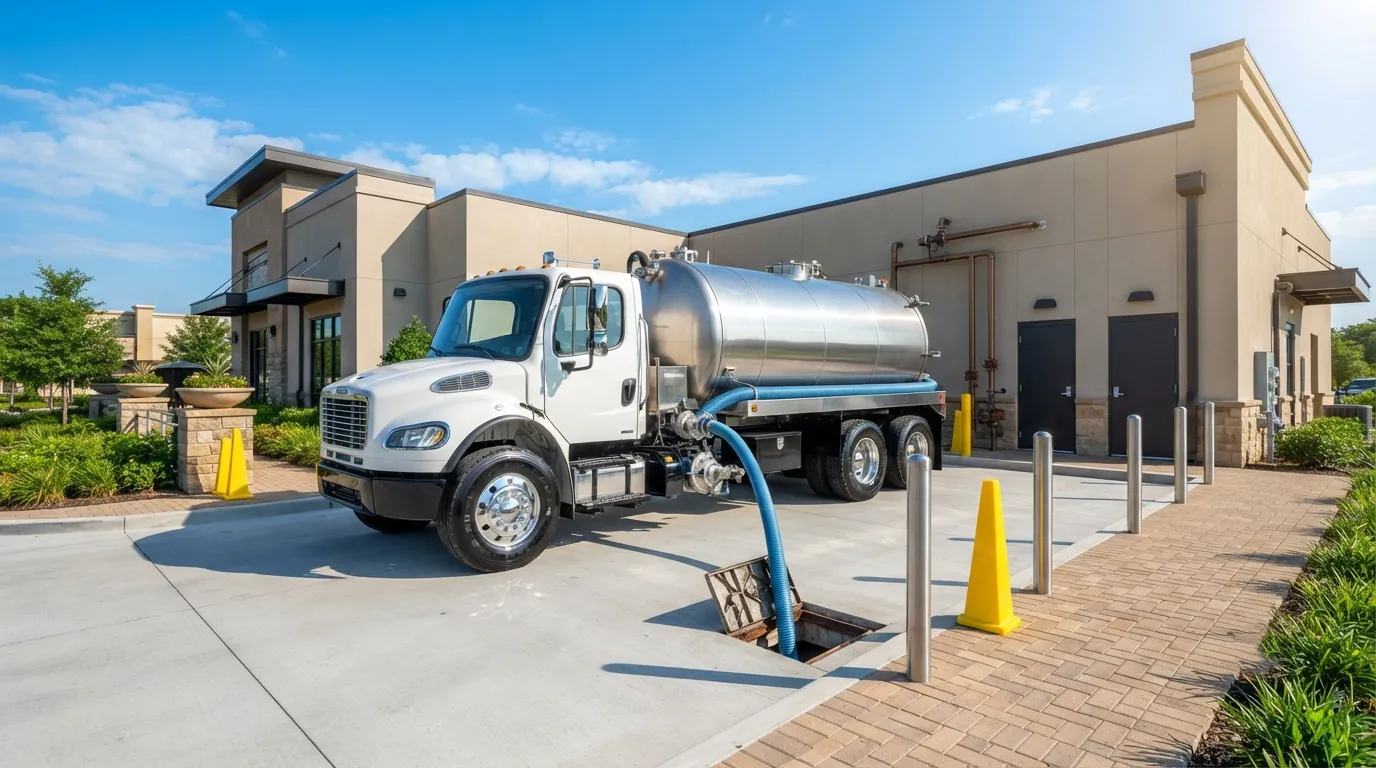
How Often Does a Grease Trap Need Pumping?
The honest answer: it depends on your volume, not the calendar. A busy fry station clogs faster than a coffee shop. The 25 percent rule is the trigger point, not a guess, and it applies whether the trap sits under a three-bay sink or out back in a 1,000 gallon interceptor. Knoxville kitchens that skip inspections tend to find out the hard way, usually during a lunch rush. If you're not sure where your trap stands, we check it as part of routine septic pumping service visits, and we can fold grease trap pumping into the same route as septic tank cleaning if you run both. A trap that gets serviced on a fixed interval almost never becomes an emergency call.
What Does Grease Trap Pumping Cost in Knoxville?
Pricing runs by tank size, grease load, and how far out your kitchen sits, but our septic service work in Knoxville falls into a predictable range. Below is what a standard visit looks like against a same-day or weekend emergency call.
| service | duration | typical range |
|---|---|---|
| septic/grease pump-out | day | $150 to $300 |
| emergency weekend pump-out | weekend | $50 to $150 |
Restaurants near downtown Knoxville and kitchens out toward Farragut, 17.0 miles southwest, pay roughly the same for the pump-out itself. Distance affects the drive, not the tank work. If your commercial account needs a recurring contract instead of one-off calls, ask about a monthly route, similar to how we handle septic tank pumping cost planning for residential customers. For general reference on what drives septic pricing across the region, see our septic tank pumping cost breakdown.
Why Does Commercial Grease Trap Pumping Matter?
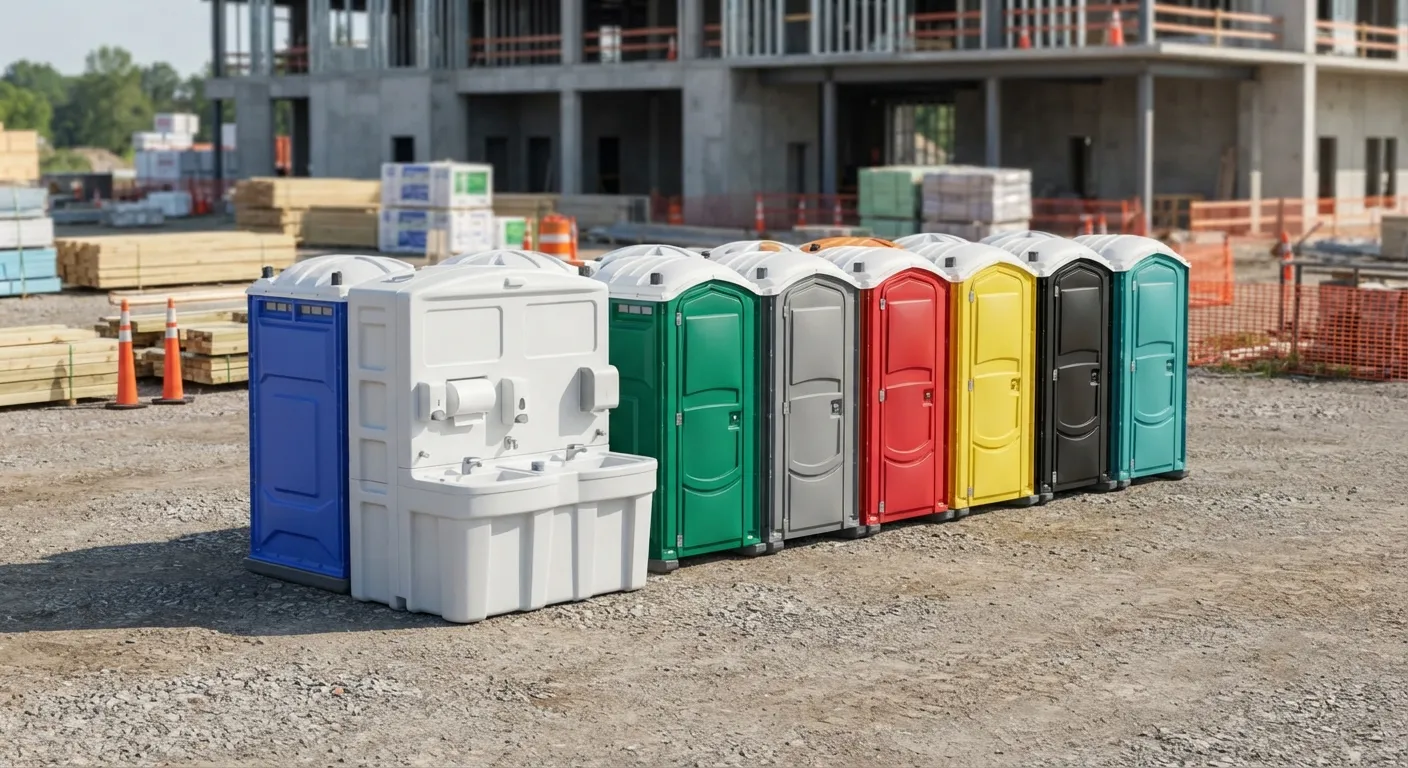
Grease that backs up doesn't stay contained. It backs into floor drains, it clogs municipal lines, and it turns a kitchen inspection into a bad day fast. Commercial grease trap pumping isn't optional maintenance, it's the thing that keeps a restaurant's plumbing and its health score intact. We run this alongside our other Knoxville site work: portable restroom rental for outdoor events, roll-off dumpster rental for kitchen renovations, and handwashing station rental for temporary setups when a kitchen's main sinks are down. Commercial handwashing stations, by the way, need soap and towels or a drying device under 29 CFR 1910.141(d)(2). Hand sanitizer alone doesn't satisfy that rule, which matters if you're running a temp kitchen during a remodel and pull a portable sink rental to cover the gap.
If your kitchen is mid-renovation and needs a full site package, we can bundle grease trap service with construction site services, temporary fence rental around a dumpster pad, and a storage container rental for equipment. Emergency grease trap pumping runs the same crews as our emergency septic service line, so a Saturday overflow doesn't have to wait until Monday.
We service Knoxville kitchens directly and cover towns nearby too: Karns sits 9.8 miles west, Powell 10.5 miles northwest, and Alcoa 14.8 miles south. If your restaurant is closer to Maryville or Farragut, the same crew and same pricing bands apply.
How do I know if my grease trap needs pumping now?
Slow drains, a sour smell near the trap, or grease visible at the access lid all mean you're near or past the 25 percent threshold. Don't wait for a full backup. Call for an inspection and we'll tell you straight whether it's urgent or can wait a few weeks.
Can I get emergency grease trap pumping on a weekend?
Yes. Weekend emergency pump-outs run in the range shown above, higher than a scheduled weekday visit because of the short notice and crew scheduling. Call ahead if you can, even same-day, and we'll get a truck out before your next service.
How is grease trap pumping different from septic pumping?
Grease traps handle fats, oils and solids from kitchen drains; septic tanks handle household or facility wastewater. Both get pumped on a schedule, but grease traps fill faster in high-volume kitchens. See how often to pump a septic tank for the residential side of that comparison.
Do you handle both restaurant and industrial-size traps?
Yes. Tank sizes vary by kitchen volume, and we scale the truck and schedule to match. Commercial accounts with heavier grease load often move to a 4 to 6 week cycle instead of a quarterly one.
What happens to the grease after it's pumped?
It's removed and hauled off site for proper disposal. We don't dump it into a regular dumpster or leave it onsite, and this keeps your kitchen compliant and your drains clear between visits.
Next step
Get a delivery date
Tell us the address, the dates and the headcount. We size the order and confirm the route.