
How Often Does a Septic Tank Need Cleaning?
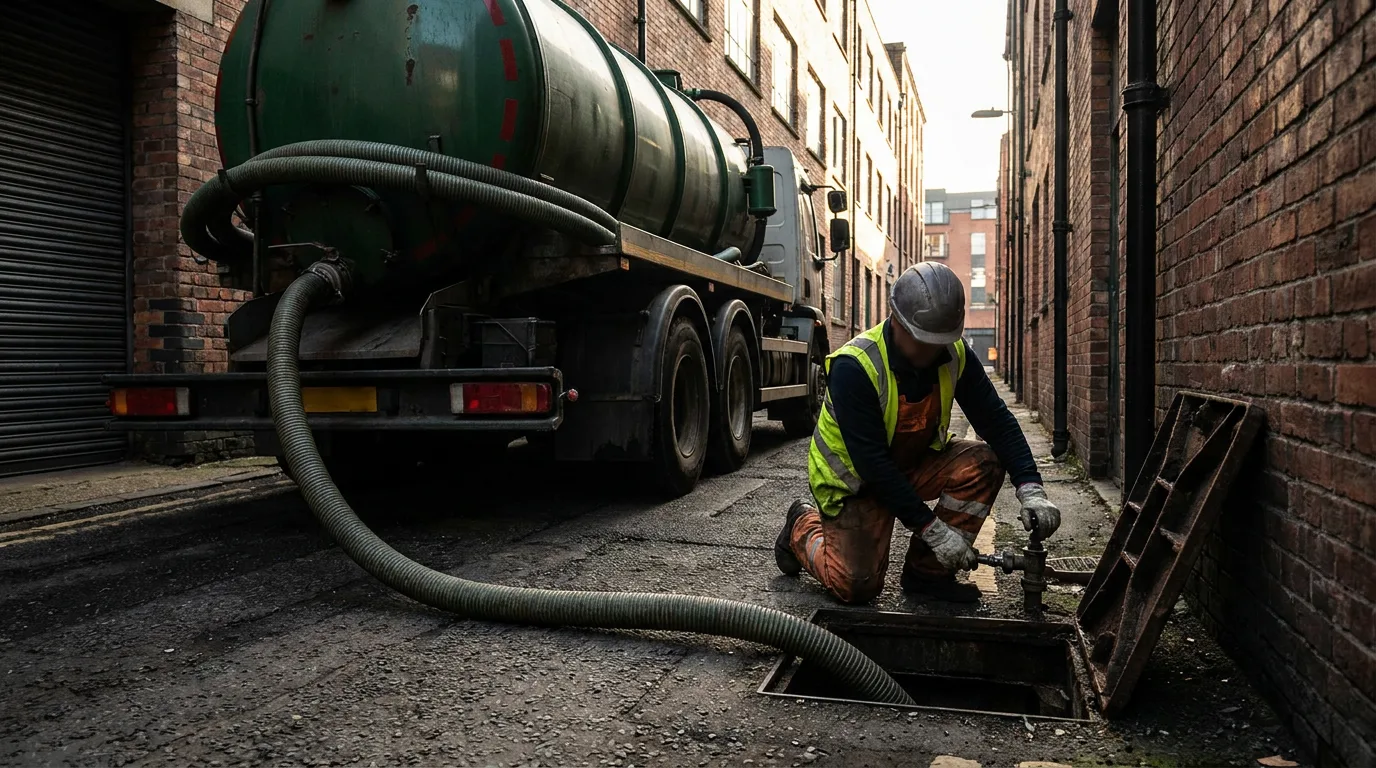
The honest answer: it depends on your tank size and your household size, but 3 to 5 years is the range most homeowners fall into. A family of six fills a tank faster than a retired couple. If you added a garbage disposal, a hot tub, or a laundry room addition since the last pump-out, move toward the shorter end of that window. Knoxville Porta Pros gets called out plenty for tanks that went 7 or 8 years without service, and by then the buildup has usually reached the outlet baffle. That is expensive to fix. Waiting too long risks a backup into the house, and a backup during a holiday weekend costs more than a scheduled visit ever would. If you are unsure where your tank sits in that cycle, our septic pumping service page walks through what a technician checks during a routine visit, and septic tank warning signs lists what shows up before a full failure. Homeowners in Farragut, about 17.0 miles southwest of Knoxville, and in Karns, 9.8 miles west, call in on roughly the same cycle as in-town customers.
What Determines Septic Tank Cleaning Frequency?
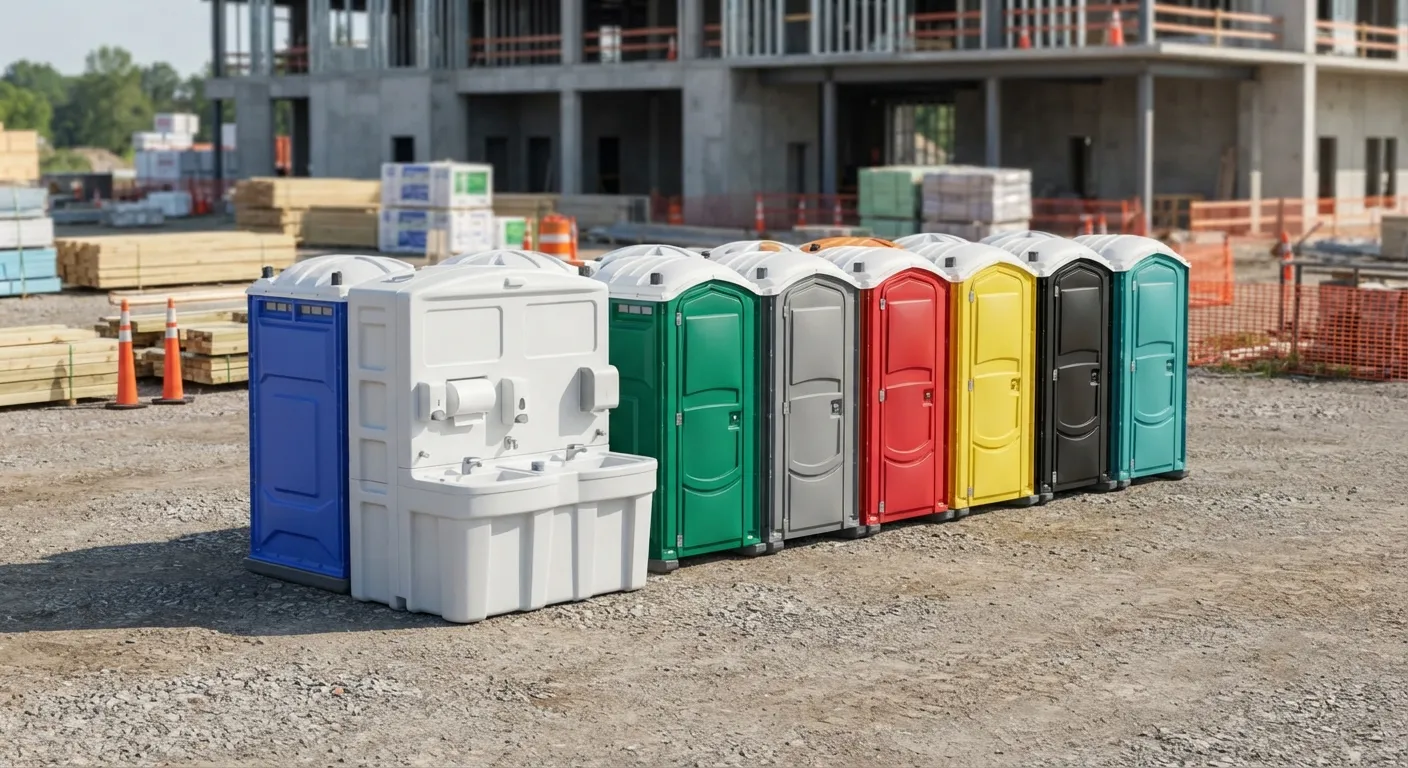
Three things drive the interval: tank size, number of people in the house, and what goes down the drains. A 1,000 gallon tank serving two people lasts longer between pumpings than the same tank serving a family of five. Garbage disposals add solids faster than a household without one. Grease going down a kitchen sink is its own problem too; a grease interceptor gets pumped once fats, oils, grease and solids reach 25 percent of the liquid depth, which is a separate schedule from a home septic tank and covered on our grease trap pumping page. For homes near Halls, 10.9 miles north of Knoxville, or Powell, 10.5 miles northwest, well water and older tank installations sometimes mean smaller original tank sizes, which shortens the interval further. If you are building new construction and need interim sanitation while the septic system gets installed, look at holding tank rental or portable toilet rental for the gap.
| household size | typical tank size | approximate interval |
|---|---|---|
| 1 to 2 people | 1,000 gallon | closer to 5 years |
| 3 to 5 people | 1,000 gallon | 3 to 4 years |
| 6 or more people | 1,000 gallon or larger | 2 to 3 years |
Pricing for a standard pump-out visit runs in the $150 to $300 range for a single day service call, and weekend emergency calls run less. See septic tank pumping cost for the full breakdown before you schedule.
Why Does Waiting Too Long Cause Problems?
Solids that never get pumped out eventually reach the drain field, and once that happens the fix is no longer a simple pump-out. A drain field failure means excavation, and that is a different cost bracket entirely. Knoxville Porta Pros sees this pattern most in homes that skipped two pumping cycles in a row, often because nobody set a reminder. Slow drains, gurgling pipes and standing water near the tank are the early signs, all covered in more depth on septic tank warning signs. Renovation projects around Knoxville sometimes strain an aging tank too, especially when a bathroom gets added without anyone checking whether the tank size still matches household demand; our home renovation porta potty page covers temporary options during that kind of project. If a backup happens outside business hours, emergency septic service gets a technician out faster than a standard appointment.
Should Commercial Properties Follow the Same Schedule?
No. Commercial systems see heavier and more variable use than a household tank, so the 3 to 5 year residential window does not apply directly. Restaurants and food service operations need grease trap service on the fats-oils-grease measurement described above, not a calendar-based septic schedule. Farms and agricultural operations around Knoxville have their own sanitation rules too. Field sanitation for hand-labor employees falls under OSHA 1928.110, which requires potable water, toilets and handwashing within a quarter mile walk, at one facility per 20 employees; see farm and agricultural restrooms for how that applies locally. Construction sites have a separate standard again, OSHA 1926.51(c), covering toilet counts by crew size, detailed on construction site services and OSHA portable toilet requirements. If your commercial property needs an inspection to figure out its actual interval, septic tank cleaning covers what that visit involves.
How do I know what size my septic tank is?
Most Knoxville homes built in the last 30 years use a 1,000 gallon tank, but older properties sometimes have smaller tanks. A technician can measure it during a pumping visit. Check your property records or ask during your first septic pumping service appointment if you are not sure.
Can I extend the time between pumpings?
Somewhat. Cutting back on garbage disposal use, spacing out laundry loads, and avoiding flushing wipes or grease all help. None of that replaces pumping entirely. A tank still fills with solids over time no matter how careful you are.
Does a full house count affect the schedule?
Yes. More people means more wastewater and faster solids buildup, which shortens the interval. A household that grew from two to five people should plan on pumping sooner than the 5 year mark, not later.
What happens during a pumping visit?
A technician locates the tank, opens the access lid, and pumps out solids and liquid with a vacuum truck. Most visits also include a quick check of the baffles and tank condition. Expect the appointment to take under an hour for a standard residential tank.
Is there a way to know it is time without waiting for a backup?
Slow drains, gurgling sounds in pipes, and soggy ground near the tank location are the earliest signs. Do not wait for a backup to schedule service. Septic tank warning signs covers the full list customers report before failure.
Next step
Get a delivery date
Tell us the address, the dates and the headcount. We size the order and confirm the route.