
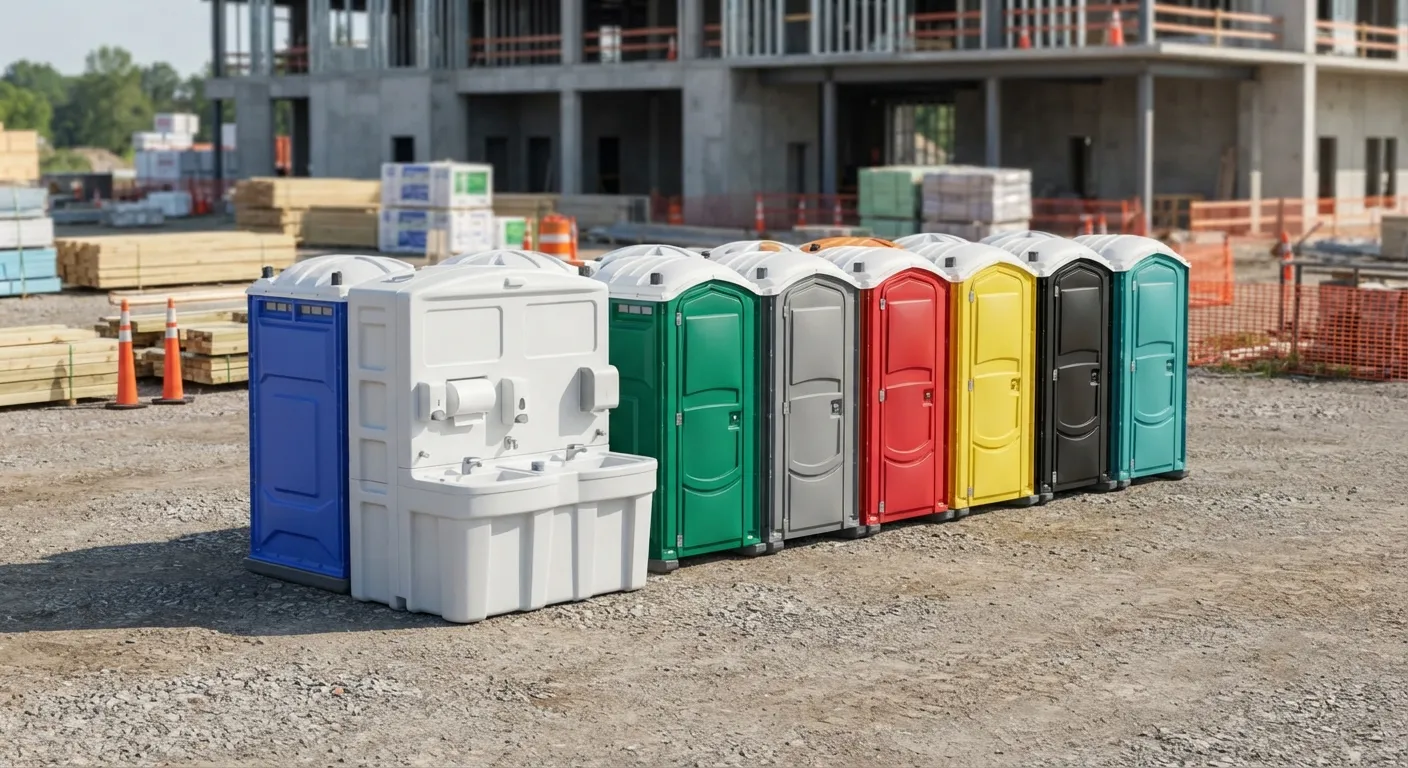
What does OSHA require for handwashing stations?
Two rules cover this, and people mix them up constantly. 1926.51(f)(1) applies specifically where employees apply paints, coatings, herbicides or insecticides, or work around other harmful contaminants. It is not a blanket handwashing mandate for every construction site in Knoxville. Separately, 29 CFR 1910.141(d)(2) says washing facilities need soap and towels or a hand-drying device. A jug of hand sanitizer parked by the porta john does not satisfy that rule. If your crew is spraying anything, or working with chemicals that could land on skin, you need a real station with water, soap and a way to dry off. Knoxville Porta Pros sets these up alongside standard units so you are covered on paper, not just in practice. For agricultural crews doing hand labor, OSHA 1928.110 sets a different bar: one facility per 20 employees, within a quarter mile walk, which matters a lot on the farms outside Karns and Powell.
How many handwashing stations do I need?
For most job sites, plan one station for every unit cluster, especially if you are already meeting toilet ratios under OSHA 1926.51(c). That rule sets 1 toilet for 20 workers or fewer, then 1 toilet and 1 urinal per 40 workers as crews grow past that, and 1 per 50 once you hit 200 or more. Handwashing stations should sit near those clusters, not off in a corner of the site. A good rule for a general contractor working a mid-size job in Knoxville: match your porta potty rental count and put a wash station within a short walk of each group. If you are running a restroom trailer instead of standalone units, most trailers already have sinks built in, which simplifies the math. Event organizers planning something like a festival near downtown should think the same way: more stations near food vendors, fewer scattered elsewhere.
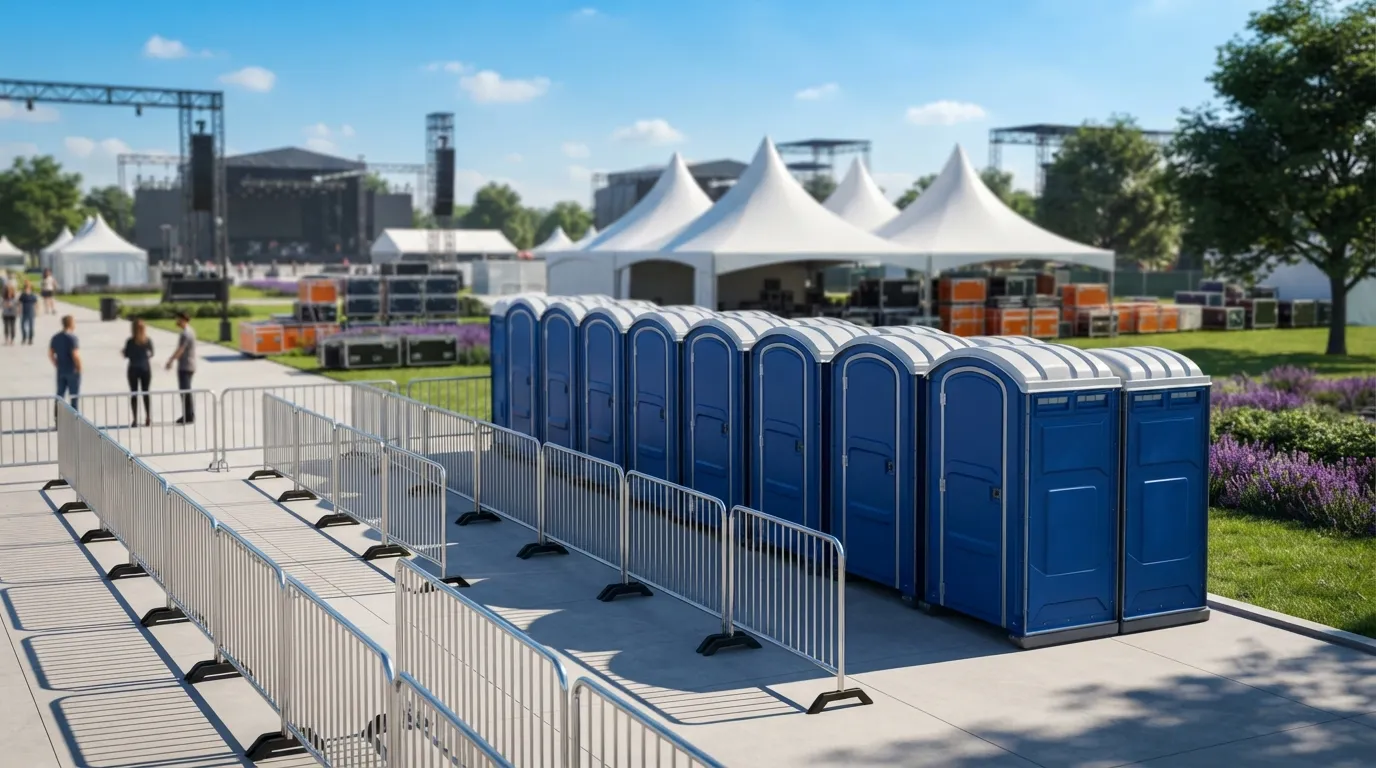
Do portable sinks meet ADA requirements?
Yes, if placed and built correctly. ADA Standards section 308.2.1 sets the reach range at 48 inches high maximum and 15 inches low minimum, so the soap dispenser and faucet controls need to sit inside that zone. Section 309.4 requires operable parts to work with one hand, no tight grasping or twisting, and no more than 5 pounds of force, which rules out stiff pump handles. The surface underneath needs to be stable and slip-resistant per section 302.1, and if the unit sits at the end of an accessible route, that route needs 36 inches of clear width under section 403.5.1. Where portable toilets are clustered, ADA 213.2 requires at least 5 percent of units to be accessible, never fewer than one. Pair your ADA accessible porta potty with an ADA-compliant wash station, not a standard one, or you have solved half the problem. Check the ADA restroom requirements page for the full list before you finalize a layout.
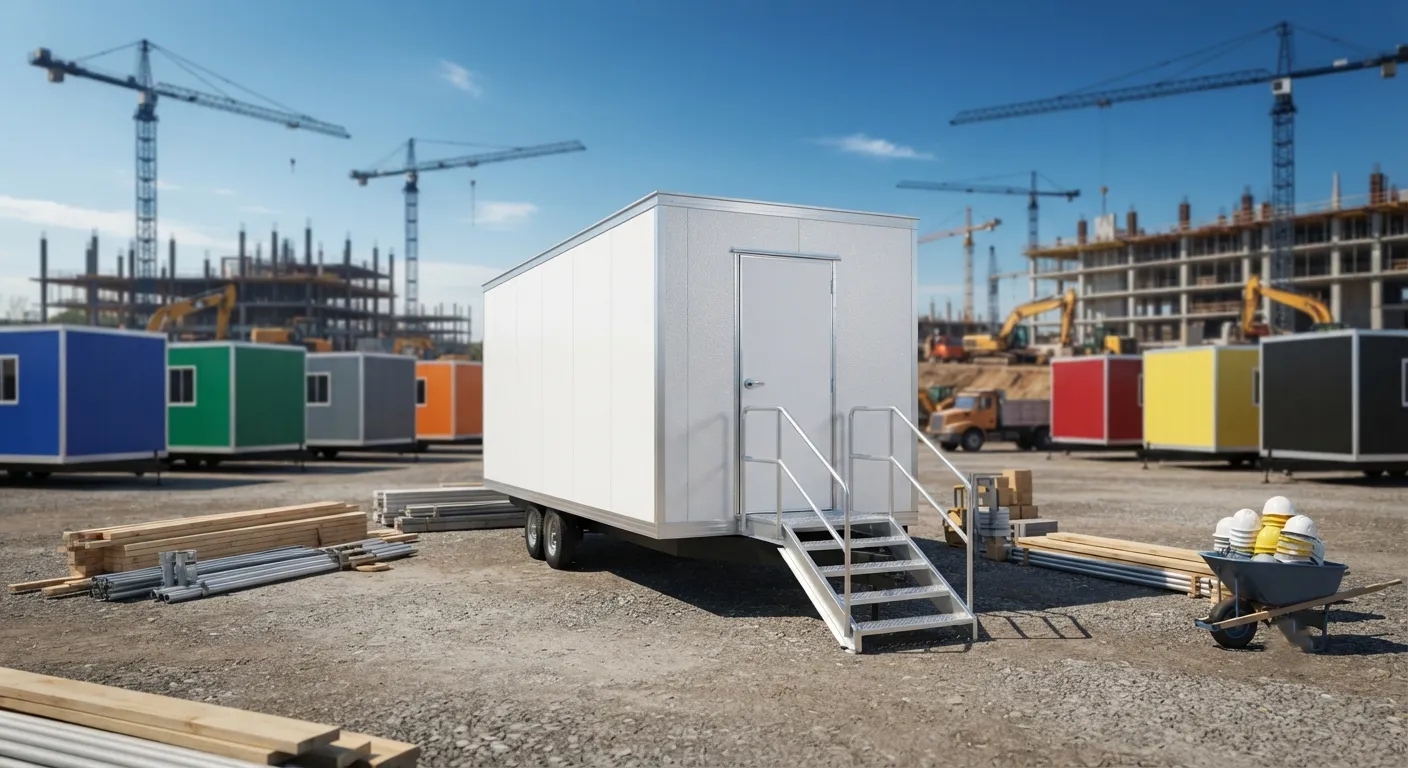
Where should handwashing stations be placed on site?
Close to the work, close to the toilets, and on stable ground. The porta potty placement guide covers ground conditions in more depth, but the short version: avoid slopes, avoid soft mud that shifts under a unit, and keep a path clear for service trucks. A roll-off delivery alone needs about 60 feet of straight clearance behind the truck, so if you are also running a roll-off dumpster rental on the same site, plan wash stations away from that turnaround zone. For agricultural operations, OSHA 1928.110 requires stations within a quarter mile walk of the work area, which rules out parking everything in one spot on a large property. If your site in Knoxville runs handwashing next to food service or a concession stand, keep it near the event restroom rental cluster rather than tucked behind a fence line. Farms near Halls or Powell running seasonal crews should treat that quarter-mile rule as the deciding factor for station count, not guesswork.
Knoxville Porta Pros delivers standard and ADA units together with wash stations so the whole layout meets code in one trip. Whether the job is a downtown Knoxville renovation, a farm operation near Powell, or an event site pulling crowds from Farragut, the same principles apply: right ratio, right placement, real soap and towels. Compare setups on the handwashing station rental page or check portable sink rental if you need something with its own water tank rather than a fixed hookup. For sites that only need sanitizer stations as a supplement, not a replacement, see hand sanitizer station rental.
Does hand sanitizer count instead of a sink?
No. 29 CFR 1910.141(d)(2) requires soap and towels or a hand-drying device, and sanitizer alone does not meet that standard. It works fine as a supplement between full washes, but inspectors look for a real sink setup on general industry sites.
How close does a handwashing station need to be to portable toilets?
There is no fixed distance in the OSHA rules cited here, but agricultural sites under 1928.110 require facilities within a quarter mile walk. For construction and event sites, keep the station within the same cluster as your toilets so workers actually use it.
Do event sites need handwashing stations near food vendors?
Yes, practically speaking. Any site serving food should treat wash stations as mandatory near the vendor area, separate from the general festival restroom rental cluster used by attendees.
Can one handwashing station serve multiple portable toilets?
Yes, if it sits within easy walking distance of the cluster. Match your ratio to your OSHA Portable Toilet Requirements count and place the station centrally rather than at one end of the row.
What is the difference between 1926.51(f)(1) and general handwashing needs?
1926.51(f)(1) only applies where workers use paints, coatings, herbicides or insecticides, or face similar contaminant exposure. General jobsite sanitation and toilet counts fall under OSHA 1926.51(c) instead.
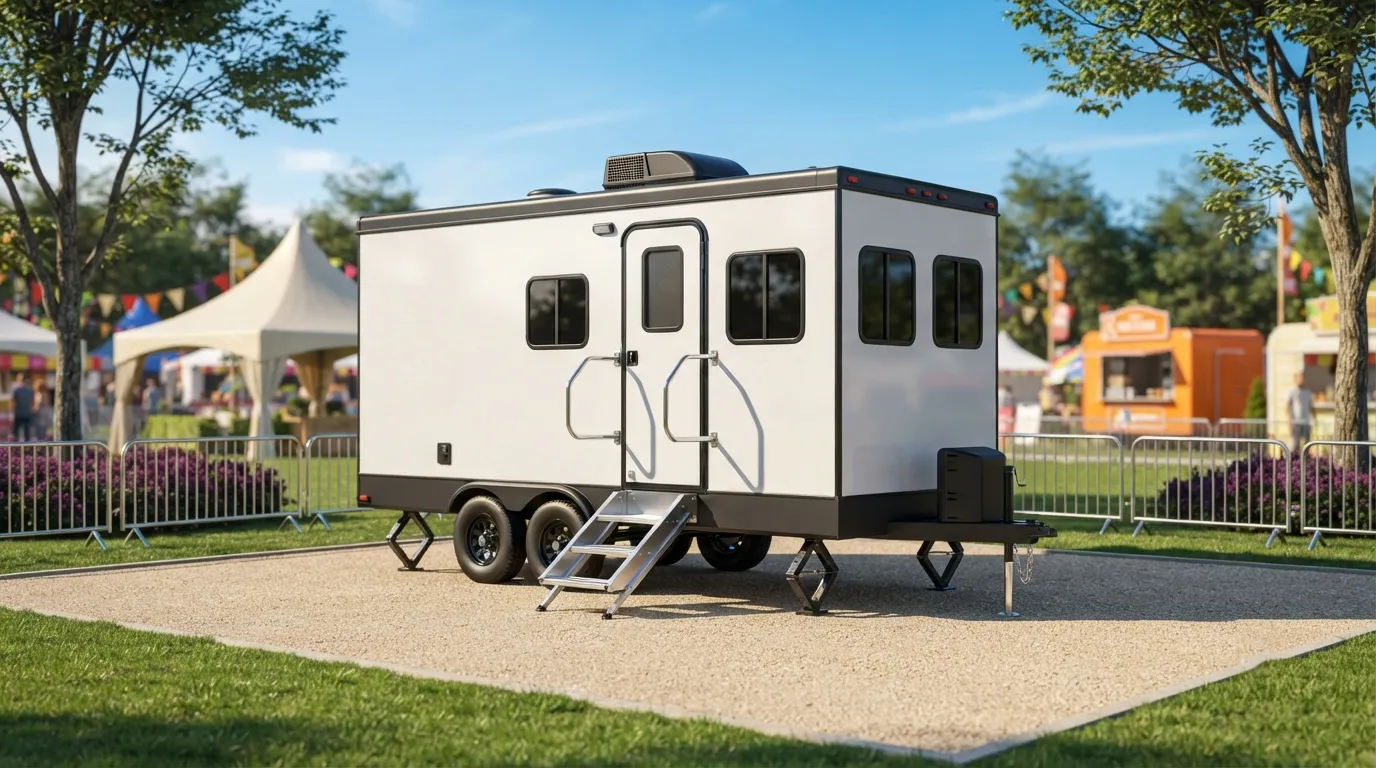
Next step
Get a delivery date
Tell us the address, the dates and the headcount. We size the order and confirm the route.